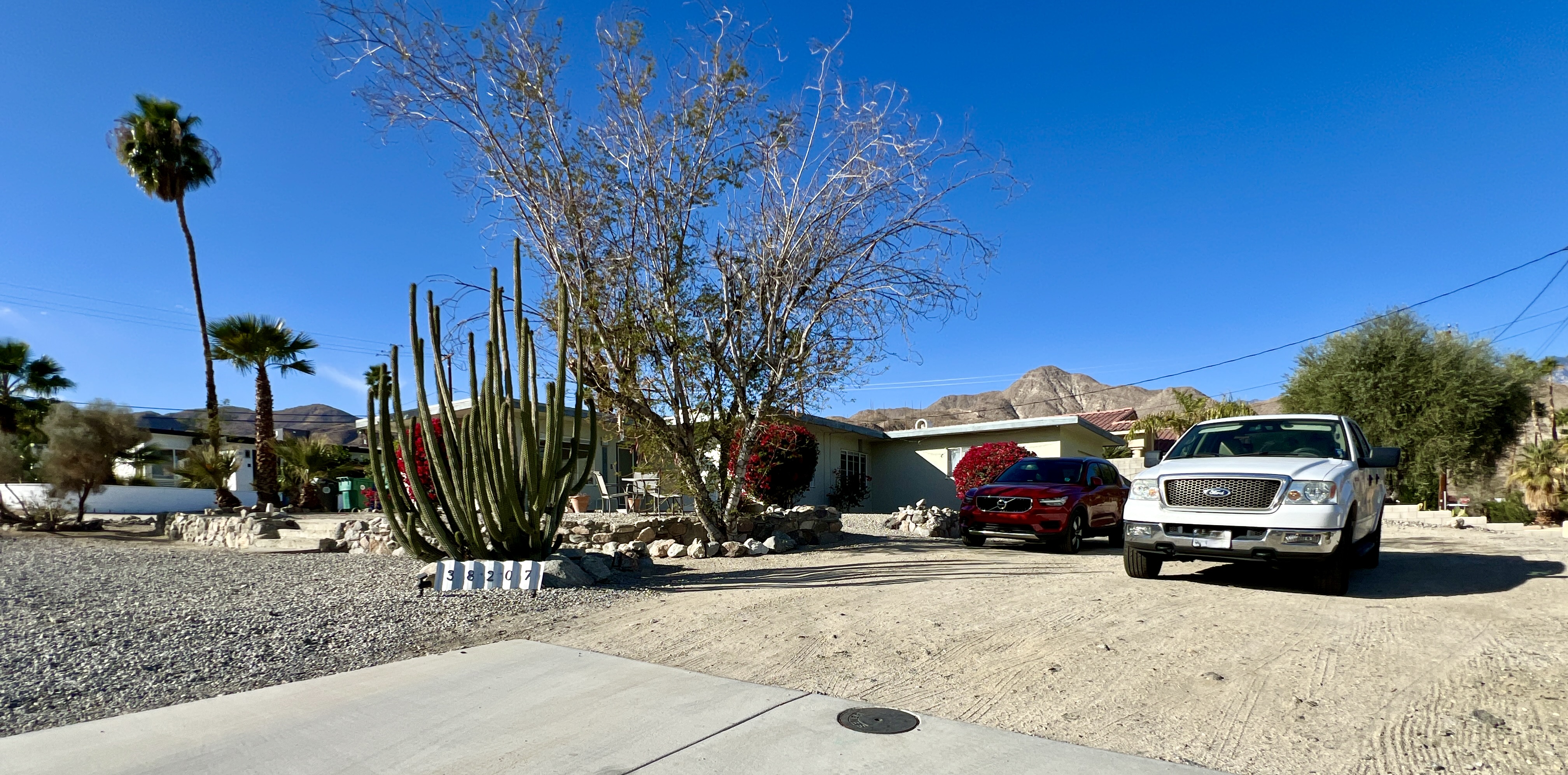
How leased land works in Palm Springs, CA
Leased land in Palm Springs operates on a unique model where property ownership is separated from land ownership. This means that while you may own a structure, the land on which it sits remains under a long-term lease. This arrangement can offer both advantages and challenges for homeowners and investors alike. One key benefit is the lower upfront cost when purchasing a property, since you're buying a structure rather than full land rights. Buyers often find that this model provides increased flexibility and reduced financial risk, particularly in a competitive market like Palm Springs. Investors also appreciate the opportunity to secure properties in attractive locations without committing large amounts of capital. However, there are important considerations to keep in mind. Lease agreements in Palm Springs typically include specific terms regarding renewal options, rent adjustments, and restrictions on property alterations. It’s crucial for potential buyers to thoroughly understand these terms, ensuring that the lease aligns with their long-term plans. Experienced real estate professionals and legal advisors can help navigate these contracts, mitigating potential risks. Moreover, market trends in Palm Springs can affect leased land arrangements. With tourism and seasonal demand influencing property values, both property owners and leaseholders must remain vigilant about local economic conditions and regulatory changes. Staying informed through local real estate news and connecting with industry experts can provide valuable insights into current market dynamics. Overall, leased land in Palm Springs presents an intriguing alternative to traditional property ownership. By balancing cost-efficiency with potential restrictions, buyers can leverage this model to access prime real estate in one of California's most picturesque desert communities.